Colorful Decorative Carving Wood Design Guide
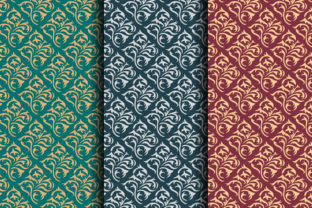
In the world of digital and physical design, finding a texture that balances organic warmth with structured geometry is often a challenge. Colorful decorative carving wood offers a unique solution by merging the tactile appeal of traditional handcraft with the precision of modern vector art. This specific aesthetic, characterized by abstract floral textures and geometric mosaic backgrounds, serves as more than just a pretty picture. It is a functional design asset that bridges the gap between vintage nostalgia and contemporary usability. For creators, marketers, and business owners, understanding how to leverage this seamless pattern can elevate projects from generic to memorable.
The Intersection of Tradition and Digital Utility
At its core, this design style mimics the intricate surface details found in classical woodworking and village architecture. However, unlike a photograph of actual timber, a vector-based interpretation provides scalability without quality loss. The term "crisis" in design often refers to the struggle of maintaining visual fidelity across different media sizes; high-quality vector patterns resolve this issue entirely. Whether you are printing a large-format banner for an exterior sign or designing a mobile app interface, the lines remain crisp and the colors vibrant.
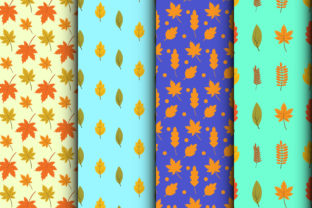
The visual language here is distinct. It draws heavily from ethnic and retro influences, utilizing motifs like maple leaves, pineapple shapes, and stylized cross-hatching. These elements are not random; they evoke feelings of nature, stability, and artisanal care. When applied correctly, this textured backdrop communicates a sense of established trust and natural authenticity that flat, minimalist designs sometimes lack. It transforms a sterile digital surface into something that feels handcrafted and intentional.
Practical Applications Across Industries
Versatility is the primary strength of colorful decorative carving wood assets. Because the pattern is seamless and repeatable, it adapts to virtually any dimension or context. Professionals across various sectors find value in this aesthetic for specific, tangible reasons.
- Branding and Packaging: Businesses focusing on organic products, artisanal foods, or sustainable goods use these wooden weave textures to reinforce their brand identity. A label featuring a wicker or bamboo-style vector pattern instantly signals "natural" to consumers before they even read the text.
- Interior and Exterior Visualization: Architects and interior designers utilize these patterns in 3D rendering and mood boards to simulate wall coverings, veneer surfaces, or basket-weave furniture. It allows for rapid prototyping of country or traditional aesthetics without sourcing physical samples immediately.
- Digital Content Creation: Bloggers, educators, and publishers use these backgrounds to break up text-heavy content. A subtle, low-opacity wood grain or geometric mosaic adds depth to slideshows, social media graphics, and website headers without distracting from the main message.
- Textile and Surface Manufacturing: The seamless nature of the vector file makes it production-ready for fabric printing, wallpaper manufacturing, and laser cutting. Manufacturers can scale the stick-and-repeat logic to fit industrial machinery requirements effortlessly.
Enhancing User Experience Through Texture
In user interface (UI) and user experience (UX) design, texture plays a critical but often overlooked role. Flat design has dominated for years, but there is a growing demand for "new skeuomorphism" or tactile interfaces. Integrating a colorful decorative carving wood texture can guide user attention and create hierarchy. For example, using a darker, denser weaving pattern for navigation bars while keeping content areas light creates a natural visual separation. This improves usability by grounding interactive elements in familiar physical metaphors, making digital environments feel more intuitive and less abstract.
Selecting the Right Pattern for Your Project
Not all wood-inspired vectors are created equal. When evaluating assets for professional use, consider the following technical and aesthetic factors to ensure the design supports your goals rather than hindering them.
- Vector Integrity: Ensure the file is truly vector-based (SVG, AI, EPS) rather than a raster image traced automatically. True vectors allow you to edit individual nodes, change colors, and adjust the scale of the maple or pineapple motifs independently. This flexibility is essential for custom branding.
- Seamless Tiling Logic: Test the repeat function at various scales. A high-quality seamless pattern should have no visible seams or misaligned edges when tiled horizontally and vertically. Poorly constructed patterns disrupt the illusion of continuous material and look unprofessional in large formats.
- Color Adaptability: While "colorful" is a key descriptor, professional assets should include editable color layers. You may need to shift a vibrant brown and green palette to muted pastels for a baby product line or to high-contrast monochrome for accessibility compliance. The underlying structure should hold up regardless of the hue.
- Cultural Sensitivity: Since these designs often borrow from ethnic and traditional village aesthetics, be mindful of cultural appropriation versus appreciation. Understand the origins of specific weaving or carving styles if they are central to your project's narrative. Authentic representation builds deeper connections than generic exoticism.
Optimizing Workflow and Efficiency
For freelancers and agencies, time is money. Using pre-made, high-quality colorful decorative carving wood vectors significantly reduces production time compared to creating complex textures from scratch. Instead of spending hours illustrating individual twine strands or wood grains, designers can focus on layout, typography, and messaging. This efficiency does not mean sacrificing originality; rather, it provides a robust foundation upon which unique creative decisions can be built.
Furthermore, these assets solve common communication challenges. When trying to convey concepts like "heritage," "craftsmanship," or "eco-friendly," words alone often fall short. A well-chosen background acts as non-verbal communication, setting the emotional tone instantly. In marketing materials, this immediate contextualization increases engagement rates because the audience intuitively understands the product category and value proposition within milliseconds of viewing.
Maintenance and Future-Proofing
Design trends cycle quickly, but natural textures possess a timeless quality that resists obsolescence. Unlike neon gradients or specific tech-inspired aesthetics that date a design to a particular year, wood and weave patterns remain relevant. Investing in high-quality, versatile vector libraries ensures your assets remain useful for years. When updating a brand or refreshing a website, simply adjusting the color grade or opacity of an existing wood pattern can make it feel new again without requiring a complete redesign. This sustainability in asset management aligns perfectly with the eco-conscious values often associated with natural design themes.
Ultimately, colorful decorative carving wood represents a powerful tool in the modern creator’s arsenal. It combines the emotional resonance of old-world craftsmanship with the technical demands of digital production. By selecting high-quality vectors, respecting cultural contexts, and applying these textures strategically, professionals can create work that is not only visually stunning but also deeply effective in communicating value, tradition, and quality. Whether used as a subtle backdrop or a bold statement piece, this design element continues to prove that nature and technology can coexist beautifully in both digital and physical spaces.