Folded Origami Flowers Pattern: Elevating Design with Geometric Floral Textiles
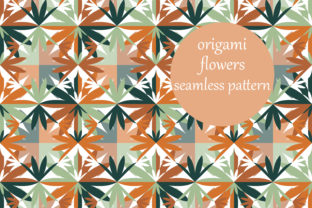
In the world of surface design and digital textiles, finding a motif that balances organic beauty with structured precision is a perpetual challenge. The Folded Origami Flowers Pattern emerges as a sophisticated solution for designers, crafters, and makers who require visual depth without photographic realism. This seamless repeat pattern is loosely inspired by traditional paper folding, translating the delicate art of origami into a versatile digital asset. By utilizing folded and layered shapes, this design creates a detailed and colorful floral aesthetic that feels both modern and timeless. Whether you are designing custom apparel, planning a scrapbooking project, or developing branding materials, understanding the utility and application of this specific geometric style is essential for achieving professional results.
Understanding the Folded Origami Aesthetic
The Folded Origami Flowers Pattern distinguishes itself from standard botanical illustrations through its construction. Rather than relying on curved lines and soft shading to depict petals, this pattern uses angular geometry and simulated shadows to create the illusion of three-dimensional paper folds. The "loosely inspired" nature of the design is a critical feature; it avoids the rigidity of technical diagrams while retaining the recognizable charm of hand-folded paper. The layered shapes interact visually to produce a sense of volume, making the flat surface appear tactile.
This approach addresses a common pain point in pattern design: the trade-off between detail and scalability. Highly realistic floral patterns can become muddy when scaled down or lose impact when printed on textured fabrics. Conversely, overly simplified vector flowers can feel childish or generic. The origami-inspired aesthetic occupies a valuable middle ground. It offers enough complexity to be engaging at close range while maintaining strong silhouettes that remain legible from a distance. For adults seeking practical design solutions, this balance ensures the pattern remains functional across various media and scales.
Solving Design Challenges with Geometric Florals
Designers and hobbyists often face specific hurdles when selecting floral motifs. The Folded Origami Flowers Pattern provides targeted solutions to several recurring issues in creative projects.
Achieving Visual Depth Without Heaviness
One of the primary goals in textile and paper design is creating interest without overwhelming the viewer. Traditional dense florals can sometimes feel heavy or dated. Because this pattern relies on negative space and geometric layering, it maintains an airy, contemporary feel. The folded shapes create natural focal points that guide the eye across the seamless repeat, preventing visual fatigue. This makes it particularly suitable for projects where the background needs to support text or other graphical elements without competing for attention.
Versatility Across Colorways
A significant advantage of this pattern type is its adaptability to different color options. Unlike photorealistic flowers that are tied to specific natural hues, geometric origami flowers are inherently abstract. This allows the pattern to be recolored effectively for seasonal collections, brand alignment, or personal preference. A user might select a vibrant, saturated palette for summer stationery or a muted, monochromatic scheme for minimalist home decor. The structural integrity of the folded shapes ensures the pattern remains recognizable and attractive regardless of the color treatment applied.
Seamless Integration for Production
For those working in print-on-demand or fabric manufacturing, seamlessness is non-negotiable. The Folded Origami Flowers Pattern is engineered as a true seamless repeat. This eliminates the guesswork and time-consuming editing often required to tile non-repeating artwork. For quilters and sewists, this means less fabric waste during layout planning. For digital designers, it ensures efficient file sizes and smooth rendering in web backgrounds or packaging mockups. The predictability of the repeat structure allows for precise placement of motifs, which is crucial when designing items like pocket squares, notebook covers, or garment panels where centering matters.
Practical Applications and Implementation Strategies
The utility of the Folded Origami Flowers Pattern extends across numerous disciplines. Understanding how different users implement this resource helps maximize its potential.
- Textile and Fashion Design: The geometric nature of the folds complements structured garments like blazers, skirts, and ties. The pattern works exceptionally well on crisp fabrics such as cotton poplin, linen, or silk, where the printed folds echo the physical drape of the material. Designers should consider scale carefully; a larger repeat may suit upholstery, while a smaller scale is ideal for shirting.
- Paper Crafting and Stationery: In scrapbooking and card making, this pattern serves as an excellent base layer. Because the design mimics actual paper folding, it pairs naturally with physical embellishments like real die-cuts, embossing, or ribbon. Users can print the pattern on matte cardstock to enhance the paper-like illusion, avoiding glossy finishes that might flatten the perceived texture.
- Digital Branding and Web Design: For businesses in the wellness, education, or creative sectors, this pattern adds warmth to digital interfaces without sacrificing professionalism. It can be used as a subtle watermark, a section divider, or a full-bleed hero background. When implementing digitally, ensure the resolution is optimized for screens to prevent pixelation along the sharp fold lines.
- Home Decor and Soft Furnishings: Throw pillows, table runners, and wall hangings benefit from the tactile suggestion of the pattern. The layered shapes create a sense of craftsmanship that elevates simple DIY projects to boutique quality. When printing for home decor, consider using textured substrates like canvas or uncoated paper to reinforce the organic-meets-geometric theme.
Considerations for Selecting and Using the Pattern
While the Folded Origami Flowers Pattern is highly versatile, successful implementation requires thoughtful consideration of context and medium. Not all origami-inspired designs serve the same purpose, and users should evaluate their specific needs before committing to a file.
Evaluating Scale and Density
Before purchasing or downloading, assess the density of the folded shapes. A tightly packed pattern creates a rich, textile-like effect suitable for wrapping paper or quilting cotton. A more sparse arrangement with ample negative space offers a modern, breathable look better suited for wall art or apparel. Always check the dimensions of the repeat unit; a 4-inch repeat behaves very differently than a 12-inch repeat when applied to a standard letter-sized page or a yard of fabric.
Color Selection and Emotional Tone
Since this pattern comes in multiple color options, choose based on the emotional response you wish to evoke. Warm tones (reds, oranges, yellows) emphasize the energy and playfulness of the folding concept, making them ideal for celebrations and children’s products. Cool tones (blues, greens, purples) highlight the precision and calmness of the geometry, suiting corporate stationery or serene bedroom textiles. Neutral palettes allow the form itself to take center stage, perfect for users who plan to overlay additional typography or graphics.
File Format and Technical Specifications
Ensure you acquire the correct file format for your intended use. Vector formats (AI, EPS, SVG) are superior for the Folded Origami Flowers Pattern because they maintain crisp edges at any size and allow for easy recoloring. Raster formats (JPG, PNG) are acceptable for fixed-size applications but limit flexibility. If you intend to modify the colors yourself, verify that the layers are organized logically. Well-structured files save hours of editing time and allow you to customize the pattern to match existing project palettes seamlessly.
Maximizing Creative Outcomes
Ultimately, the Folded Origami Flowers Pattern is a tool for bridging the gap between traditional craft aesthetics and contemporary design needs. Its strength lies in its ability to suggest handmade artistry through digital precision. By focusing on the interplay of light, shadow, and geometry, users can create work that feels intentional and refined.
When approaching this pattern, move beyond treating it as mere decoration. Consider how the folded forms relate to the physical properties of your chosen medium. Let the implied texture inform your material choices. Use the color variations to test different moods before finalizing a project. By engaging deeply with the structural qualities of the design, rather than just its surface appearance, you unlock its full potential as a versatile, problem-solving asset in your creative toolkit. Whether you are a seasoned designer looking for fresh inspiration or a hobbyist seeking professional polish, this origami-inspired floral motif offers a reliable foundation for beautiful, functional creation.