Integrating the Cottage Rose Garden Pattern Set into Professional Creative Workflows
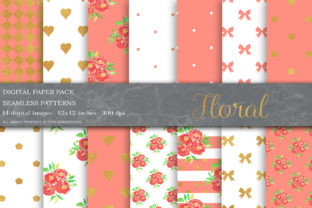
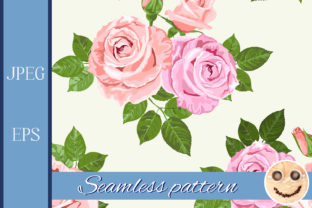
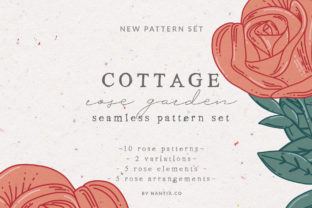
Efficient design production relies heavily on having a reliable library of high-quality assets that bridge the gap between concept and execution. The Cottage Rose Garden Pattern Set serves as a foundational resource for creators who need to produce cohesive, floral-themed visuals without spending hours drawing individual elements from scratch. This collection is not merely a set of decorative backgrounds; it is a comprehensive system comprising 20 seamless floral patterns, individual vector elements, and structural components like decorative corners. For professionals ranging from wedding stationers to textile designers, understanding how to leverage this specific asset package can significantly streamline project timelines while maintaining a consistent aesthetic standard.
In the broader context of a creative workflow, this pattern set functions as both a starting point and a unifying element. Before a project begins, it aids in mood boarding and client presentations by providing immediate visual texture. During the execution phase, the transparent backgrounds and vector formats allow for rapid iteration and color customization. Post-project, these assets contribute to a reusable brand kit, ensuring that future spring campaigns or seasonal updates maintain visual continuity with previous work. By treating the Cottage Rose Garden Pattern Set as a modular design system rather than static imagery, users can maximize its utility across multiple platforms and mediums.
Technical Versatility and Format Compatibility
The practical value of any digital asset lies in its compatibility with existing software ecosystems. This pattern set addresses cross-platform needs by including PDF, EPS, SVG, PNG, and PAT files. Understanding when to use each format is essential for maintaining quality and efficiency in different stages of production.
- Vector Files (EPS/SVG): These are critical for print production and scalable graphics. Because they are mathematically defined paths rather than pixels, you can resize rose arrangements for a large-format banner or a small business card without losing clarity. Use these formats when working in Adobe Illustrator, Affinity Designer, or CorelDRAW to modify anchor points or recolor specific petals.
- PAT Files: Specifically designed for Adobe Photoshop users, these files allow for non-destructive pattern fills. Instead of placing a raster image and hoping it tiles correctly, loading the PAT file enables you to apply the seamless rose patterns as a layer style. This is particularly useful for mockups where you need to swap background textures instantly to show clients different options.
- PNG with Transparent Backgrounds: This feature is perhaps the most significant time-saver for digital-first workflows. Traditional pattern files often come with baked-in white backgrounds, requiring tedious masking or blending mode adjustments to isolate the floral art. With transparency already established, you can drag and drop these assets directly onto colored backgrounds in Canva, Figma, or social media tools, allowing the underlying brand color to show through immediately.
Organizing these files upon download is a crucial first step. Create a structured directory system separating vectors from rasters, and consider renaming files with descriptive tags (e.g., "Rose_Bud_Tight_Seamless.svg") rather than generic numbers. This preparation reduces friction during high-pressure design sessions when searching for a specific motif.
Application in Brand Identity and Stationery Design
For entrepreneurs and freelancers managing brand identities, consistency is key. The Cottage Rose Garden Pattern Set provides a thematic anchor that can be applied across various touchpoints. When developing a visual identity for a spring launch, a botanical skincare line, or a romantic event, these patterns offer a sophisticated backdrop that avoids the generic look of stock photography.
In stationery design, specifically wedding invitations and packaging, the inclusion of five separate rose arrangements and five decorative corners transforms the utility of the set. Seamless patterns are excellent for envelope liners and box wraps, but invitation cards often require focal points. The standalone vector arrangements allow designers to create hierarchy. You might use a dense seamless pattern for the outer packaging to create immersion, while utilizing a single, elegant rose arrangement on the invitation itself to preserve whitespace and readability. The decorative corners serve as framing devices for text-heavy elements like menus or programs, guiding the viewer’s eye without overwhelming the content.
Furthermore, the ability to change background colors due to the transparent PNGs means this single asset pack can service multiple sub-brands or product lines. A soft blush pink background conveys romance, while a deep sage green evokes organic luxury. This adaptability extends the lifespan of the purchase, making it a cost-effective solution for agencies handling multiple accounts within the same niche.
Streamlining Digital Content Creation
Digital marketers and bloggers face the constant demand for fresh visual content. Creating custom illustrations for every blog post or social media update is rarely feasible. Here, the Cottage Rose Garden Pattern Set acts as a rapid deployment tool for seasonal graphics. The twenty distinct designs provide enough variety to prevent audience fatigue while maintaining a recognizable style.
When integrating these patterns into social media templates, consider the principles of contrast and legibility. Because the roses and buds are detailed, they work best as border elements or low-opacity overlays behind solid text blocks. In platforms like Instagram Stories or Pinterest pins, use the seamless patterns to create branded frames. The transparent nature of the files allows you to place them over video content or user-generated photos without completely obscuring the underlying media.
For bloggers, these patterns enhance user experience by breaking up long-form text. Using a subtle floral pattern as a section divider or a pull-quote background adds visual interest without slowing down page load times, provided the PNGs are optimized. Since the set includes vector source files, advanced users can export lightweight SVG versions for web use, ensuring crisp rendering on retina displays while keeping file sizes minimal. This attention to technical performance distinguishes professional implementation from amateur decoration.
Textile and Packaging Production Considerations
Designing for physical products introduces constraints that digital-only workflows do not face. For those using the Cottage Rose Garden Pattern Set in textile or packaging design, the vector formats are non-negotiable. Print-on-demand services and commercial manufacturers typically require high-resolution vectors or 300 DPI rasters at actual print size.
Before sending files to production, verify the repeat alignment. Although these are marketed as seamless patterns, always test a tile in your specific design software to ensure there are no visible seams at your intended scale. Lighting conditions in printing can also affect color perception. Utilize the EPS files to adjust color profiles from RGB to CMYK before finalizing artwork. The separate rose elements allow for custom placement on irregular packaging shapes, such as cylindrical candle jars or tapered pouches, where a standard square repeat might distort or leave awkward gaps.
Quality control also involves checking the complexity of the vector paths. Highly detailed floral vectors can sometimes cause issues with certain cutting machines or embroidery digitizers. If you plan to use the rose arrangements for vinyl cutting or stitching, simplify the paths using your vector software’s optimization tools. This proactive step prevents production errors and ensures the final physical product matches the digital proof.
Long-Term Asset Management and Workflow Integration
Sustainable creativity requires building a personal asset library that grows in value over time. The Cottage Rose Garden Pattern Set should be viewed as a permanent component of your resource toolkit rather than a single-use item. To maximize long-term ROI, integrate these assets into your master template files.
Create dedicated master documents for recurring project types. For example, build a "Spring Social Media Kit" in your design software of choice with the rose patterns pre-loaded as swatches or symbols. Build a "Wedding Stationery Base" with the decorative corners and arrangements already positioned on standard paper sizes. When a new project arrives, duplicating these masters eliminates the setup phase, allowing you to focus immediately on customization and content.
Additionally, document your usage rights and licensing terms associated with the set within your internal knowledge base. Knowing exactly how and where you can use these patterns prevents legal ambiguity when scaling projects or handing off files to third-party vendors. Clear documentation ensures that team members or collaborators utilize the assets correctly and consistently.
Ultimately, the efficiency gained from this pattern set comes from intentional integration. It is not just about having pretty flowers; it is about having a standardized, flexible, and technically robust visual language ready for deployment. Whether you are designing a blog background, finalizing wedding invitations, or preparing textile prints, the combination of seamless repeats, isolated elements, and multi-format support facilitates a smoother transition from idea to finished product. By embedding these resources into your planning and execution phases, you reduce cognitive load and technical friction, freeing up mental energy for higher-level creative decisions.