Summer Paper: Elevating Digital Design with Coastal and Botanical Aesthetics
The shift toward digital-first creativity has not diminished the desire for tactile, organic textures in graphic design; if anything, it has amplified it. As creators, marketers, and hobbyists navigate an increasingly screen-centric world, the demand for high-fidelity digital assets that evoke physical sensation continues to grow. Summer Paper represents more than just a seasonal theme; it is a specific category of digital resource that bridges the gap between nostalgic craftsmanship and modern technical requirements. Whether utilized for professional branding, educational materials, or personal scrapbooking, these assets serve as foundational elements that communicate warmth, relaxation, and natural beauty without sacrificing print-ready quality.
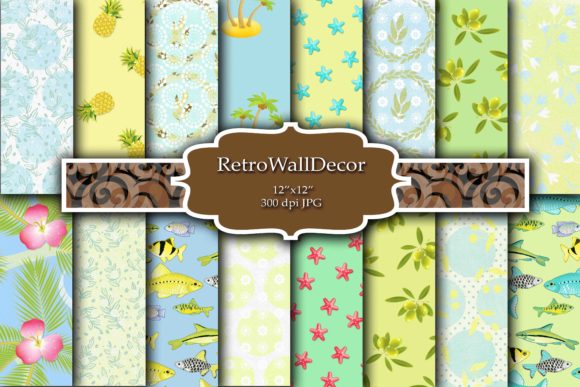
In the current creative landscape, versatility is paramount. Designers are no longer looking for single-use backgrounds but rather comprehensive collections that offer cohesive visual storytelling. A robust Summer Paper collection typically encompasses a diverse range of motifs including Sea paper, tropical flora, and marine life. The inclusion of specific elements like sea fish, olive branches, pineapple illustrations, sea stars, and island landscapes allows for modular design work. This specificity matters because generic "beach" backgrounds often lack the detail required for high-end projects. By focusing on distinct botanical and marine identifiers, creators can tailor their work to niche audiences, from Mediterranean travel bloggers to tropical wedding planners.
Technical Standards in Modern Digital Scrapbooking
The evolution of digital paper is intrinsically linked to advancements in display technology and printing standards. In the early days of digital scrapbooking, lower resolution files were acceptable due to hardware limitations. Today, however, users expect assets that perform equally well on a 4K monitor and in a professionally bound photo book. This is where the specification of 16 high quality 300 dpi 12 x 12 3600x3600 px JPEG files becomes a critical benchmark for quality.
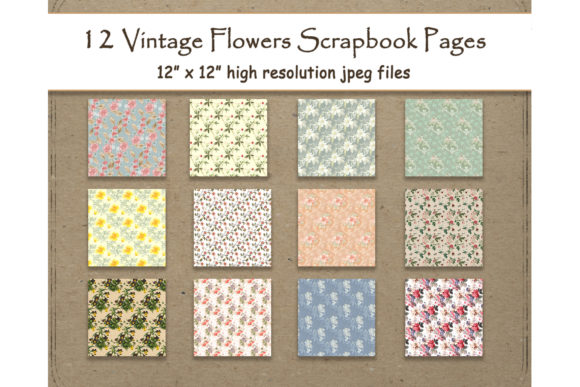
Understanding these specifications is essential for both creators and consumers. The 12x12 inch format remains the industry standard for scrapbooking, mirroring traditional album dimensions. However, the pixel density is what separates professional assets from amateur ones. At 3600x3600 pixels, these files provide the necessary data for crisp printing at 300 dots per inch (dpi). This resolution ensures that intricate details in a floral paper pattern or the subtle gradients in a sea digital paper background remain sharp when printed. For digital-only projects, this high resolution offers the flexibility to crop, zoom, and manipulate images without encountering pixelation or artifacting, future-proofing the asset library against increasing screen resolutions.
JPEG remains the preferred format for these extensive collections due to its balance of color fidelity and file manageability. While PNGs offer transparency, solid background papers do not require alpha channels. High-quality JPEGs maintain the vibrant color profiles necessary for summer themes—capturing the specific turquoise of ocean water or the golden hue of pineapples—while keeping file sizes efficient for storage and workflow speed. This technical pragmatism supports the modern creator’s need for assets that are both beautiful and functional within large-scale projects.
The Psychology of Coastal and Botanical Patterns
The enduring popularity of Summer Paper and sea patterns extends beyond mere aesthetics; it taps into established psychological responses to color and form. In an era marked by digital fatigue and high-stress environments, visual elements associated with nature serve as restorative anchors. Research in environmental psychology suggests that exposure to natural patterns, even in digital representations, can lower cortisol levels and improve cognitive focus. This explains why floral paper and island motifs are frequently employed in wellness branding, therapy worksheets, and mindfulness journals.
Specific motifs carry distinct semantic weight that designers leverage to communicate subliminal messages. Olive branches, for instance, have transcended their traditional association with peace to become symbols of sustainable luxury and Mediterranean lifestyle. They are increasingly popular in organic food packaging and eco-conscious event stationery. Conversely, pineapple imagery has evolved from a mid-century kitsch trope to a contemporary symbol of hospitality and vibrancy, often used in social media templates and summer sale promotions. Sea stars and sea fish introduce a sense of biodiversity and wonder, making them ideal for educational content, aquarium marketing, or children’s book illustrations.
This psychological dimension influences how professionals select assets. A marketer designing a campaign for a luxury resort will likely gravitate toward minimalist sea digital paper with muted tones to convey exclusivity and calm. A party planner creating invitations for a luau might opt for bold floral paper and bright pineapple graphics to generate excitement. Understanding the emotional resonance of these patterns allows creators to move beyond decoration and use Summer Paper as a strategic communication tool.
Adapting Trends for Diverse Creative Workflows
The application of Summer Paper has diversified significantly as creative workflows have hybridized. The distinction between "digital" and "physical" crafting has blurred, with many users operating across both mediums. A scrapbooker might print a sea pattern background to use as a base layer in a physical album while using the same digital file to create matching Instagram stories. This cross-platform utility requires assets that are adaptable.
For educators and homeschoolers, thematic units on marine biology or geography benefit immensely from high-quality visual aids. Instead of relying on clip-art style cartoons, teachers can utilize realistic sea fish and island illustrations to create engaging worksheets, flashcards, and classroom decor. The 300 dpi resolution ensures these materials look professional when printed for handouts, while the digital versions integrate seamlessly into presentation software and learning management systems.
In the realm of small business and entrepreneurship, branded packaging and unboxing experiences have become vital touchpoints. E-commerce sellers specializing in summer goods often use custom tissue paper or thank-you cards featuring sea digital paper to enhance perceived value. Having access to a cohesive set of 16 coordinating designs allows business owners to create a consistent brand identity across multiple collateral types without hiring a custom illustrator for every new product launch. This democratization of high-quality design assets enables micro-entrepreneurs to compete visually with larger brands.
Sustainable Creativity and Digital Asset Management
An often-overlooked aspect of the digital paper trend is its alignment with sustainable practices. Traditional paper crafting generates significant waste through offcuts, misprints, and single-use materials. Digital alternatives like Summer Paper collections allow for infinite iteration without physical consumption. A designer can experiment with ten different layouts using a sea star background before committing to a final version, eliminating the material cost of trial and error.
However, sustainability also applies to digital asset management. As libraries grow, organization becomes a practical necessity. Professionals recommend establishing a systematic tagging and folder structure for digital papers. Categorizing files by motif (e.g., "olive," "pineapple," "floral"), color palette, and usage rights streamlines the creative process. When working with a collection of 16 high-quality files, knowing exactly which asset fits a specific project reduces friction and maintains creative flow. This organizational discipline is particularly important for freelancers and agencies managing multiple client accounts, where efficiency directly impacts profitability.
Furthermore, the longevity of digital assets contributes to their sustainable value proposition. Unlike physical paper stocks that may yellow, tear, or go out of print, high-resolution JPEG files remain pristine indefinitely. A well-curated collection of Summer Paper purchased today can serve a creator’s needs for years, adapting to changing trends through recontextualization rather than replacement. This permanence encourages mindful consumption, shifting the focus from acquiring volume to investing in quality.
Practical Considerations for Selection and Usage
When integrating Summer Paper into professional or personal projects, several practical factors ensure optimal results. Color management is perhaps the most critical. Screens emit light using RGB color space, while printers use CMYK ink. Vibrant sea blues and neon pineapples seen on a monitor may print darker or duller if not properly managed. Creators should always soft-proof their designs or request physical proofs when color accuracy is non-negotiable. High-quality 300 dpi files provide the data headroom needed for effective color correction, but understanding the output medium is essential.
Licensing is another area requiring diligence. Not all digital papers are created equal regarding commercial use. Entrepreneurs and marketers must verify that their chosen Summer Paper assets permit the intended application, whether that be digital products for resale, physical merchandise, or client work. Reputable designers clearly outline these terms, and adhering to them protects both the creator’s business and the original artist’s intellectual property.
Finally, composition balance is key when working with detailed patterns. A busy floral paper or intricate sea pattern can easily overwhelm text or focal photos. Effective design often involves using these strong patterns as borders, accents, or layered backgrounds with reduced opacity. The versatility of a 16-file collection lies in the ability to mix bold statement pieces with coordinating solids or subtle textures. This interplay creates visual hierarchy and ensures readability, transforming a collection of pretty pictures into a functional design system.
The relevance of Summer Paper in contemporary design is sustained by its ability to merge technical excellence with emotional resonance. As digital tools become more sophisticated, the human desire for connection to nature and tangible beauty remains constant. By selecting high-quality, versatile assets and applying them with intentionality, creators can produce work that feels both timely and timeless. Whether capturing the serene geometry of a sea star or the lush abundance of tropical flora, these digital resources empower users to bring the essence of summer into any project, regardless of season or medium.