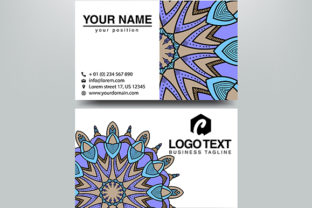
Implementing Business Card Decorative Design Template 3 in Professional Branding Workflows
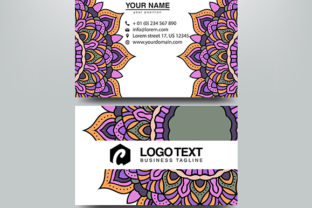
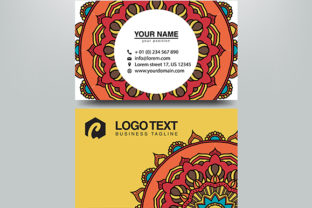
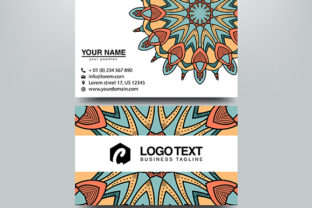
Establishing a cohesive visual identity requires more than just selecting attractive graphics; it demands assets that integrate seamlessly into existing design workflows. Business Card Decorative Design Template 3 serves as a foundational element for professionals seeking to incorporate vintage decorative elements, ornamental floral motifs, and oriental patterns into their networking materials. This template is not merely a static image but a functional design component intended to streamline the creation of business cards and invitations. By providing both EPS and JPG formats, it bridges the gap between high-end print production and rapid digital prototyping, allowing marketers, freelancers, and small business owners to maintain quality without sacrificing efficiency.
In the broader context of brand development, this template functions as a stylistic anchor. Before a project begins, it helps define the aesthetic boundaries of a vintage or oriental-themed campaign. During the execution phase, it reduces the time spent drawing complex vector ornaments from scratch. After a project launches, the scalable nature of the EPS file ensures the asset remains viable for future collateral, such as letterheads, social media banners, or packaging. Understanding where this template fits within your operational pipeline is essential for maximizing its utility and ensuring a professional outcome.
Strategic Preparation and Asset Compatibility
Effective implementation begins before opening any design software. Professionals must first assess technical compatibility and organizational readiness. Business Card Decorative Design Template 3 includes one EPS file and one JPG file, a combination that supports diverse workflow stages. The EPS (Encapsulated PostScript) format is critical for print-ready projects because it uses vector mathematics rather than pixels. This means the ornamental floral details remain crisp at any size, from a standard 3.5 x 2-inch business card to a large-format event banner. Conversely, the JPG serves as a lightweight reference for mood boards, client presentations, or quick digital mockups where vector editing is unnecessary.
Before integrating this template, verify that your software environment supports legacy and modern vector standards. While Adobe Illustrator is the industry standard for EPS manipulation, alternatives like Affinity Designer, CorelDRAW, and Inkscape also handle these files effectively. However, users should be aware that gradient meshes or specific transparency effects in older EPS files may render differently across platforms. A prudent workflow involves creating a test document to confirm that the vintage decorative elements separate correctly into layers or groups. This preliminary check prevents mid-project disruptions and ensures that the oriental pattern aligns with your technical capabilities.
File organization is equally important. Rename the downloaded files immediately to reflect your project naming convention, such as BrandName_BC_Ornament_v1.eps. Storing the asset in a centralized library rather than a generic downloads folder facilitates long-term reuse. For teams, placing the template in a shared cloud repository ensures consistency across different designers working on the same brand identity. This preparation phase transforms a simple download into a managed design resource.
Customization Techniques for Vintage and Oriental Aesthetics
The primary value of Business Card Decorative Design Template 3 lies in its customizability. A template should never be used "as is" if the goal is distinct branding. The vintage decorative elements provided are designed to be modified to match specific color palettes and typographic styles. When working in a vector environment, use the Direct Selection Tool to adjust anchor points within the ornamental floral structures. This allows you to elongate stems, widen borders, or simplify intricate details that might clash with dense contact information.
Color adaptation requires a strategic approach. Oriental patterns often feature rich, saturated hues, but modern business cards frequently benefit from restraint. Instead of applying global color changes, consider isolating specific pattern segments to create hierarchy. For example, retain the original gold or deep red tones for the primary border while shifting secondary flourishes to a spot color or a subtle tint of your brand’s primary hue. This technique preserves the vintage character while ensuring the design feels contemporary and aligned with current market expectations.
Typography integration is another critical customization point. The density of ornamental floral designs can compete with readable text. Use the template as a framing device rather than a background texture. Create negative space within the central area of the business card to ensure legibility. If the template includes a full-bleed pattern, consider reducing opacity or using a clipping mask to confine the decoration to the edges. This balance between ornamentation and whitespace is what distinguishes professional design from amateur clutter. Testing various typefaces against the template is necessary; serif fonts typically complement vintage aesthetics, while clean sans-serifs can provide a striking modern contrast.
Workflow Integration Across Project Phases
Business Card Decorative Design Template 3 interacts with multiple stages of the creative and business lifecycle. Its utility extends beyond the immediate task of designing a single card.
Pre-Project Planning and Concepting
During the discovery phase, use the JPG version to facilitate client communication. Non-designers often struggle to visualize abstract concepts like "vintage elegance" or "oriental fusion." Presenting the template as a style tile helps align expectations before billable hours are spent on custom illustration. It serves as a tangible reference point for discussing density, complexity, and color direction. This reduces revision cycles later in the process by establishing a clear visual baseline early on.
Execution and Production
In the production phase, the EPS file integrates directly into layout software like Adobe InDesign or Affinity Publisher. Rather than designing the business card entirely in Illustrator, place the customized template as a linked file within your layout program. This workflow keeps file sizes manageable and allows for non-destructive updates. If you refine the ornamental details in Illustrator, the layout updates automatically. This linkage is vital for maintaining consistency when producing matching stationery suites, including envelopes, thank-you cards, and presentation folders.
Post-Project Archiving and Repurposing
After delivery, archive the customized version of the template alongside the final print files. Future projects often require brand extensions. Having a pre-adapted vector asset saves significant time when a client requests a holiday greeting card or a certificate of authenticity six months later. The scalable nature of the vintage decorative elements means they can be repurposed for web headers, email signatures, or merchandise without loss of fidelity. Treat the template as a living part of the brand system rather than a disposable project file.
Quality Control and Practical Implementation Tips
Maintaining high standards when using pre-made assets requires diligent quality control. One common pitfall with vintage decorative templates is over-complexity in print. Intricate oriental patterns with very thin lines may disappear or fill in during offset printing. Always consult with your print provider regarding minimum line weights. As a general rule, keep positive lines above 0.25pt and negative spaces above 0.5pt to ensure reliable reproduction. Requesting a physical proof is non-negotiable when dealing with detailed ornamental work, as screen rendering rarely captures ink spread accurately.
Ethical and legal considerations also form part of professional implementation. Verify the licensing terms associated with Business Card Decorative Design Template 3. Ensure the license covers commercial use, especially if you are a freelancer creating work for third-party clients. Some licenses restrict the use of standalone assets or require attribution. Clarifying these parameters protects both you and your client from potential intellectual property disputes.
Efficiency can be further optimized by creating presets. Once you have customized the template’s colors and scale for a specific brand, save these settings as a graphic style or symbol library. This allows for instant application across multiple artboards. For educators and bloggers teaching design principles, the template serves as an excellent case study in modifying stock assets. Deconstructing the layer structure demonstrates how complex vintage illustrations are built, providing educational value beyond commercial application.
Balancing Automation with Artistic Intent
While Business Card Decorative Design Template 3 offers significant time savings, it should not replace thoughtful design decisions. The most successful implementations occur when the template is treated as raw material rather than a finished solution. Analyze the negative space created by the ornamental floral arrangement. Does it guide the eye toward the name and title? Does the oriental pattern reinforce the brand story, or is it merely decorative?
For entrepreneurs and small business owners managing their own branding, this template lowers the barrier to entry for sophisticated design. However, restraint is key. Avoid adding additional clip art or excessive textures that dilute the template’s inherent quality. Let the vintage decorative elements breathe. Pair them with high-quality paper stocks and finishing techniques like embossing or foil stamping to elevate the perceived value. The tactile experience of a business card often matters as much as the visual design, and the intricate lines of this template are particularly well-suited for physical enhancement.
Ultimately, the effectiveness of Business Card Decorative Design Template 3 depends on how well it is integrated into a deliberate workflow. By approaching the asset with technical awareness, strategic customization, and rigorous quality control, professionals can transform a downloadable file into a distinctive component of their brand identity. Whether used for a single networking event or as part of a comprehensive rebrand, the template provides a reliable foundation for executing vintage and oriental aesthetics with modern precision.