Leaf Pattern Pastel Color Vectors
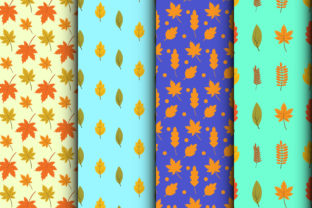
Elevating a visual identity often requires balancing organic warmth with modern precision, and integrating a Leaf Pattern Pastel Color scheme is an effective way to achieve this sophisticated equilibrium. For graphic designers and brand strategists, seamless vector illustrations of foliage offer more than just decoration; they provide a versatile foundation for building cohesive visual systems. These flat-filled, organic shapes serve as essential creative assets that bridge the gap between natural aesthetics and contemporary digital design, ensuring your projects feel both fresh and professionally grounded.
The Strategic Value of Organic Vector Art
In modern graphic design, the choice of background texture plays a pivotal role in user experience and brand perception. A set of vector illustrations featuring seamless leaf patterns allows for infinite scalability without loss of quality, making them ideal for everything from business cards to large-format banners. The use of pastel tones softens the visual impact, creating an inviting atmosphere that reduces cognitive load for viewers. This is particularly valuable in UI design and web layouts where readability and visual hierarchy are paramount. Unlike raster images, vectors maintain crisp contours and clean lines at any resolution, ensuring your branding remains consistent across all touchpoints.
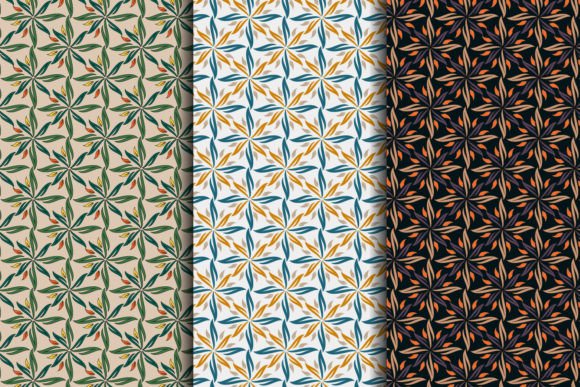
Furthermore, the availability of three distinct color choices within a single asset pack streamlines the design workflow. Designers can quickly adapt the palette to match specific seasonal campaigns or sub-brand identities without needing to recreate core elements. This flexibility supports agile marketing strategies and ensures that visual communication remains dynamic yet recognizable.
Practical Applications Across Media
The versatility of floral and organic backgrounds extends far beyond simple wallpaper applications. When utilized thoughtfully, these patterns become integral components of comprehensive brand identity systems. Consider how these elements can enhance various creative projects:
- Packaging Design: Flat-filled leaf shapes create elegant, eco-friendly aesthetics for product labels, boxes, and textile prints, signaling sustainability and natural quality to consumers.
- Editorial and Print Layouts: Use subtle pastel patterns as page backgrounds or margin decorations to add texture without competing with typography or body copy.
- Social Media Graphics: Seamless tiles provide instant, on-brand backdrops for quotes, announcements, and promotional content, maintaining visual consistency across feeds.
- Web and App Interfaces: Implement organic ornaments as section dividers or hero background elements to soften rigid grid structures and improve emotional connection.
- Merchandise and Apparel: Retro-inspired foliage silhouettes translate beautifully to fashion, tote bags, and stationery, offering timeless appeal.
Best Practices for Implementation
To maximize the impact of these decorative elements, designers must consider composition and negative space. While the pattern itself is seamless, its application should never overwhelm the primary message. Effective visual design relies on balance; use the leaf motif to frame content rather than obscure it. When pairing these organic vectors with typography, opt for typefaces that complement the soft, curved nature of the illustration. A clean sans-serif or a delicate serif often works better than heavy, industrial fonts when working with pastel floral themes.
Color management is equally critical. Even though the asset provides preset pastel options, always verify colors against your existing brand guidelines. Adjusting saturation or opacity can help integrate the pattern into diverse contexts, from vibrant advertising campaigns to muted, professional presentations. Additionally, consider the psychological impact of the chosen hue; green suggests growth and health, while softer pinks or blues may evoke calmness and nostalgia. Aligning color psychology with your communication goals ensures the design resonates emotionally with your target audience.
Scalability and file organization also matter in professional workflows. Ensure you are working with properly layered vector files that allow for easy color swapping and element isolation. This technical foresight saves time during revisions and ensures that the asset remains useful as design trends evolve. Whether creating a monogram, a complex textile print, or a minimalist banner, the underlying quality of the vector art determines the final polish of the deliverable.
Ultimately, selecting high-quality creative assets like seamless leaf patterns is an investment in visual coherence. By choosing flat-filled, scalable vectors with thoughtful color palettes, designers can produce work that is not only aesthetically pleasing but also functionally superior. These organic elements bring a necessary human touch to digital and print media, reinforcing brand values through subtle, textured storytelling that speaks directly to the viewer’s senses.