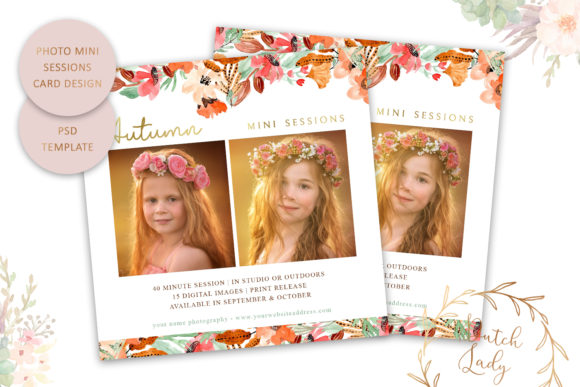
Integrating Photo Session Card Template 46 into Your Creative Workflow
Effective client communication often hinges on the tangible details that bridge the gap between a digital service and a physical experience. For photographers, event planners, and creative entrepreneurs, Photo Session Card Template 46 serves as a specialized asset designed to streamline post-session deliverables and marketing collateral. This resource is not merely a decorative element; it is a functional component of a broader business workflow that handles scheduling reminders, session information, or thank-you notes. By utilizing a high-resolution, layered Photoshop .PSD file, professionals can maintain brand consistency while significantly reducing the time spent on repetitive design tasks. Understanding where this template fits within your operational ecosystem allows for better planning, faster turnaround times, and a more polished final product for your clients.
Technical Specifications and Software Compatibility
Before integrating Photo Session Card Template 46 into your production line, verifying technical compatibility is the first critical step in quality control. This template is engineered specifically for full Adobe Photoshop and requires a robust understanding of layer management. It is NOT COMPATIBLE with Photoshop Elements. Attempting to open this file in Elements or other simplified editing software will likely result in missing smart objects, broken layer styles, or an inability to edit text fields correctly. Professionals must ensure their workstation is equipped with the full version of Photoshop to leverage the layered architecture effectively.
The file is provided at 300 dpi, which is the industry standard for professional offset and digital printing. While screen resolution (72 dpi) suffices for web graphics, maintaining 300 dpi ensures that text remains crisp and colors stay vibrant when printed on cardstock. The dimensions are set to 5 x 5 inches, adhering to US standard postcard sizing. This square format offers a modern aesthetic distinct from traditional rectangular business cards, but it also requires specific attention during the setup phase to ensure postal compliance if you intend to mail them directly. Always verify current USPS regulations regarding square postcards, as they sometimes require additional postage compared to standard rectangular formats.
Customization Protocols and Layer Management
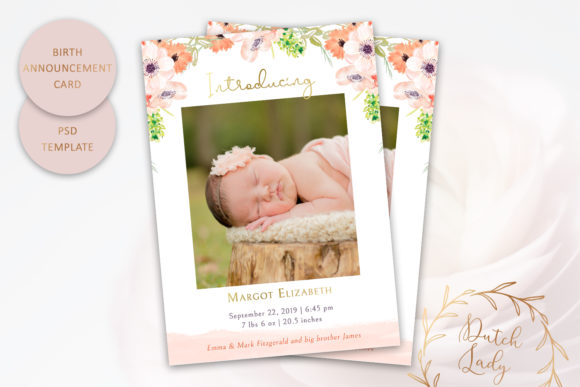
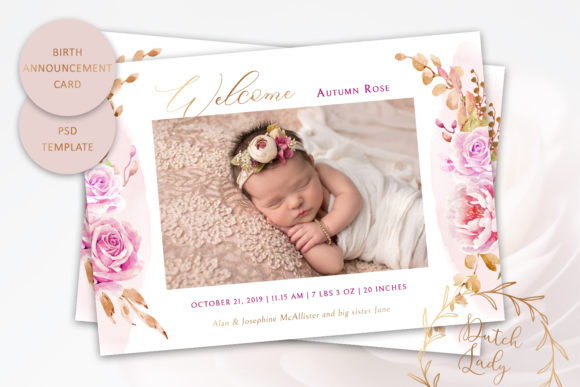
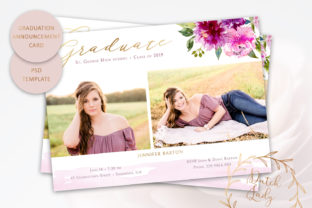
The primary value of Photo Session Card Template 46 lies in its customizable nature, but this flexibility comes with specific constraints that users must navigate. The PSD file includes organized layers for text, backgrounds, banners, and borders. You have full control over the color, size, position, and typography of all textual elements. This allows you to adapt a single master template for various purposes—changing "Save the Date" to "Thank You" or adjusting color schemes to match different seasonal campaigns without rebuilding the layout from scratch.
However, a crucial distinction exists regarding the visual assets. The watercolor floral illustrations included in the design CAN NOT be changed in color. These elements are flattened raster images rather than vector shapes or adjustable smart objects. When planning your customization workflow, treat these florals as fixed anchor points. Your color grading and branding adjustments should focus on the editable layout parts—backgrounds, banners, and borders—to complement the existing artwork rather than attempting to alter it. Recognizing this limitation early prevents wasted time trying to hue-shift non-editable layers and encourages a more harmonious design approach where your variable elements support the fixed artistic components.
Font management is another aspect of preparation. The product includes the specific font files used in the original design. To maintain the intended aesthetic, install these fonts before opening the PSD. If you choose to substitute fonts to align with your existing brand guidelines, ensure you select typefaces with similar weights and x-heights to preserve the layout’s balance. Because text layers are fully editable, swapping fonts may require minor adjustments to tracking or leading to fit the designated text boxes properly.
Print Preparation and Bleed Safety
A common failure point in DIY print projects is improper file setup for commercial printing. Photo Session Card Template 46 addresses this by including adequate bleed and trimming space. Bleed refers to the area of artwork that extends beyond the final trim edge, ensuring no unprinted white edges appear after cutting. When customizing the background colors or banner elements, you must extend these layers to the outer bleed guides, not just the safe zone. Conversely, all critical text and focal points must remain well within the safe margin to avoid being trimmed off during the finishing process.
It is important to note that printing of the card design is not included with this template. You are responsible for exporting the file and coordinating with a local or online print shop. This separation of design and production gives you vendor flexibility but adds a step to your workflow. When exporting, save your work as a high-quality PDF or TIFF unless your printer specifies otherwise. Flatten the image only if requested, as keeping layers intact in your master file allows for future edits. Communicate clearly with your print provider about the 5 x 5 inch dimension and confirm their specific bleed requirements, as some vendors have unique specifications that differ slightly from industry standards.
Strategic Implementation in Client Workflows
Photo Session Card Template 46 functions best when treated as a modular tool within a larger client relationship management strategy. Consider how this asset interacts with other touchpoints in your business. Before a project, it can serve as a premium booking confirmation or a styling guide insert. During a session, it might act as a physical prop or an immediate takeaway containing care instructions. After delivery, it transforms into a referral card or a discount offer for future services. By mapping out these use cases in advance, you can create multiple saved versions of the template, each tailored to a specific stage of the client journey.
For freelancers and small business owners, efficiency is paramount. Create a "Master Base" file where your logo, contact information, and preferred color palette are already set. From this base, spawn individual files for specific needs. This reduces the cognitive load of starting from zero for every new card. Additionally, because the template includes font files and organized layers, it facilitates collaboration. If you work with a virtual assistant or junior designer, they can handle the text updates and basic color swaps while you focus on higher-level creative direction, confident that the underlying structure remains intact.
Quality Control and Long-Term Asset Management
Maintaining consistency across printed materials builds trust and brand recognition. When using Photo Session Card Template 46 repeatedly, establish a checklist for quality assurance. Verify that contrast ratios meet accessibility standards, especially since watercolor backgrounds can sometimes reduce text legibility. Test print a single copy on your intended paper stock before committing to a full run; colors on uncoated cardstock often appear softer than on glossy finishes or calibrated monitors. This physical proofing step is essential for managing expectations and avoiding costly reprints.
Organization extends beyond the file itself. Keep the included font files in a dedicated folder linked to the template, or install them permanently in your system. Document any specific color codes (CMYK values) you develop for the editable layout parts so you can replicate them exactly in future iterations or across different media. Over time, this template becomes a foundational asset in your brand kit. Its high-resolution construction ensures it remains viable even as printing technologies evolve, and its classic floral aesthetic provides a timeless backdrop that resists rapid trend cycles. By respecting the technical boundaries—specifically the software requirements and fixed illustration colors—you maximize the utility of this resource, turning a simple PSD file into a reliable engine for professional communication.
Workflow Integration Checklist
- Verify Software: Confirm access to full Adobe Photoshop; do not attempt use with Photoshop Elements.
- Install Assets: Load included font files prior to opening the PSD to prevent substitution errors.
- Define Scope: Identify whether the card is for pre-session info, post-session thanks, or general marketing.
- Respect Constraints: Accept that watercolor florals are fixed; adjust surrounding layout colors to harmonize.
- Check Dimensions: Ensure canvas remains 5x5 inches at 300 dpi throughout the editing process.
- Validate Bleed: Extend background elements to bleed lines; keep text within safety margins.
- Export Correctly: Generate print-ready PDF/TIFF based on vendor specifications.
- Proof Physically: Order a test print to verify color accuracy and trim alignment before bulk production.